The Attack: Timing, Scale and Physical Damage
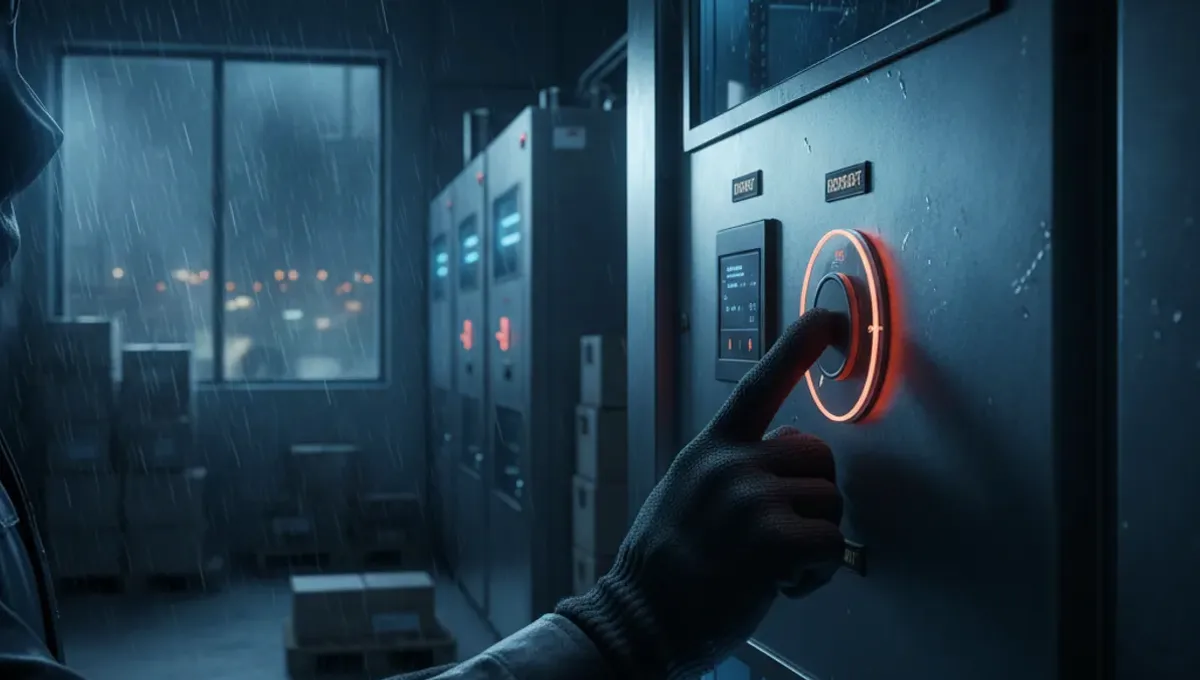
On October 11, attackers accessed refrigeration control systems across approximately 700 retail locations in France. Rather than stealing data or encrypting systems for ransom, the intruders modified defrost cycle settings to maximum temperature. This caused stored food to spoil rapidly and, in at least 15 locations, triggered fires as refrigeration units overheated. The attack was coordinated and deliberate, suggesting pre-planning and reconnaissance rather than opportunistic exploitation.
The choice of target was unconventional in cybercrime terms. Most cyberattacks aim for financial data or operational downtime that can be monetized or used as leverage. This intrusion prioritized physical damage to infrastructure and inventory, imposing immediate economic loss on retailers and creating public-facing disruption. The timing and scale suggest a message or political statement rather than profit motive.
Attribution: How France Identified the IRGC
The French government publicly attributed the attack to the IRGC's cyber unit within weeks of the incident. Attribution is rarely made public and requires high confidence because false accusations can escalate international tensions. French cybersecurity agencies, working with allied intelligence services, matched technical indicators such as malware signatures, command-and-control infrastructure, operational timing patterns and language artifacts in the attack code to previously documented IRGC campaigns.
Public attribution by a government is itself strategic. Rather than responding quietly through diplomatic channels, France chose to expose the attack and perpetrator, likely to demonstrate resolve and deter further operations. This approach mirrors recent public attributions by the US, UK and EU regarding Russian, Chinese and other state-sponsored intrusions.
The decision to publicly name Iran suggests the French government wanted to establish a precedent: sabotage of civilian infrastructure will be called out and potentially met with consequences. Whether those consequences include sanctions, cyber retaliation or diplomatic pressure remains part of the broader geopolitical context.
Why IoT and Operational Technology Remain Vulnerable
Refrigeration controllers are part of operational technology (OT), which manages physical processes rather than data. These devices are often designed for reliability and longevity, not frequent updates. Many lack encryption, strong authentication or network segmentation from the broader retail environment.
OT devices also sit at the intersection of IT (information technology) and physical systems, creating a security blind spot. IT teams focus on data networks; facilities teams manage refrigeration. Neither may have expertise in detecting intrusions into control systems. An attacker who can cross from a retailer's networked POS system or administrative network into HVAC or refrigeration controllers can cause immediate physical harm with minimal digital footprint.
Retailers globally face this problem. Grocery stores, pharmacies and restaurants operate thousands of connected devices that are rarely monitored for unauthorized changes. A compromised supplier or weak password can grant entry. Once inside, an attacker with minutes of access can alter safety-critical settings and disappear before alarms sound.
Geopolitical Context: Why France and Why Now
The IRGC has conducted cyberattacks against multiple countries for years, typically targeting oil and gas infrastructure, water systems and government networks. This move into civilian retail supply chains represents either an escalation in target selection or a specific response to French actions against Iranian interests.
France is a nuclear-armed NATO member and a key player in European sanctions against Iran over its nuclear program. Tensions between France and Iran have periodically spiked over regional issues, nuclear negotiations and cyber incidents. A sabotage attack on civilian infrastructure sends a message of capability and willingness to inflict pain on civilian populations.
The attack also coincides with a broader pattern: state actors are testing whether they can conduct kinetic-equivalent cyberattacks without triggering military response. If a ransomware gang destroys backups, the impact is data loss. If state actors sabotage refrigeration, the impact is spoiled food, lost revenue, potential injuries and public fear. The line between cyber espionage and cyber warfare is blurring.
What This Means for Businesses and Ordinary Users
For retailers and supply chain operators, this attack is a wake-up call that OT devices need the same security governance as IT systems. Retailers should inventory all connected devices, segment networks, require multi-factor authentication for administrative access to control systems and monitor for unexpected configuration changes.
For ordinary consumers, the incident reveals vulnerability in food supply chains that most people assume are secure. Spoiled food and occasional fires are manageable if rare, but coordinated sabotage at scale could create food shortages or unsafe products. This attack underscores why cybersecurity is not just an IT concern but a resilience issue for every sector that keeps people fed, warmed or medicated.
For law enforcement and intelligence agencies, the case highlights how state actors are adapting tactics. Public attribution and naming of perpetrators is now a standard response, but follow-up actions remain opaque. Whether France or its allies conduct retaliatory cyber operations, impose economic sanctions or escalate diplomatically is not immediately visible.
Key Takeaways and Next Steps
This attack demonstrates that state-sponsored actors have moved beyond stealing data to sabotaging physical infrastructure through networked devices. The targeting of civilian retail sites rather than military or government facilities marks a shift in operational calculus: the IRGC was willing to cause visible, immediate economic and physical damage in a NATO country.
The public attribution by France serves multiple purposes: it holds a state actor accountable, it deters similar operations through named embarrassment, and it sets a precedent that such attacks will not go unacknowledged. However, the lack of immediate public retaliation also signals that the threshold for military response to cyberattacks remains very high.
If you work in retail, food supply, utilities or any sector relying on OT devices, review your inventory of connected systems and their security controls today. If you operate critical infrastructure, contact your government's cybersecurity agency to understand the threat landscape specific to your sector and available resources for hardening your defenses.
Source: The Hacker News