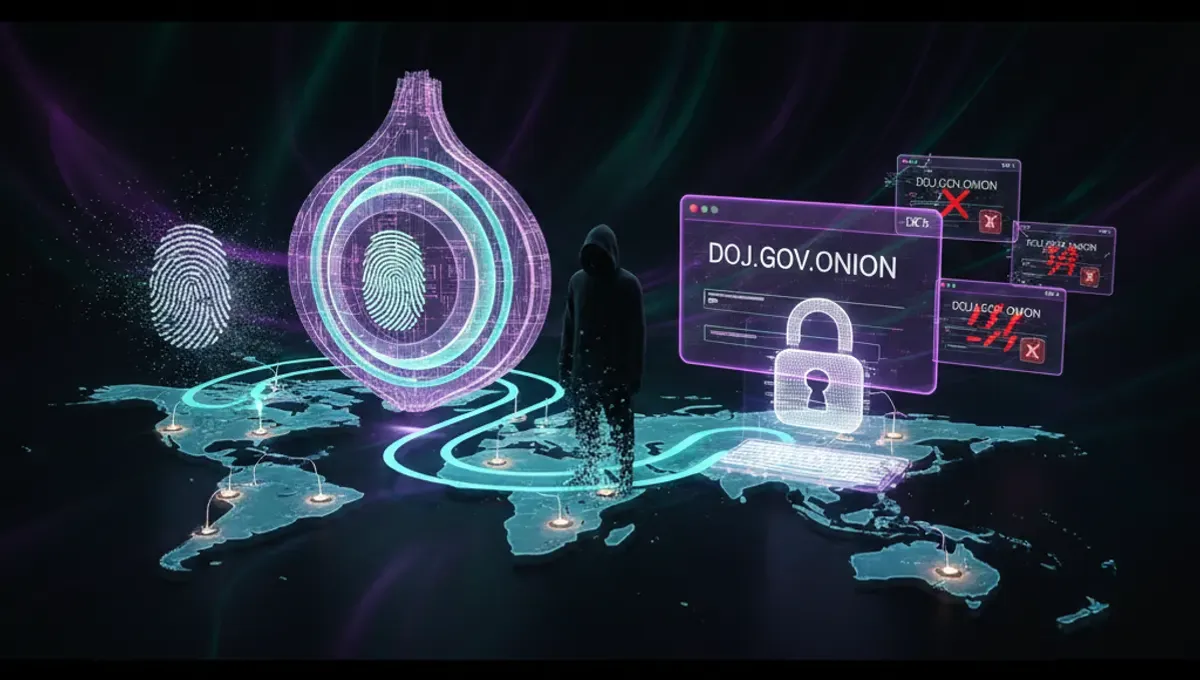
What Happened: The Attribution Reversal
The Department of Justice issued a public statement claiming that multiple U.S. federal agencies—including NASA, the Federal Reserve, the Department of Energy, and others—had been victimized by attacks attributed to Chinese threat actors. Days later, the DoJ issued a correction stating that these agencies were actually targeted, not successfully compromised or victimized.
This type of correction signals deeper problems with how attribution statements are drafted, reviewed, and released to the public. The initial statement conflated targeting with successful intrusion, a distinction that matters enormously for operational response, resource allocation, and public trust.
Why Attribution Accuracy Matters in Cyber Operations
Misattribution creates cascading consequences:
- Diplomatic implications: False claims about nation-state attacks can escalate tensions
- Resource misdirection: Security teams waste effort on irrelevant threat vectors
- Adversary intelligence: Bad actors learn what agencies can and cannot detect
- Public messaging breakdown: Citizens and industry lose confidence in official threat assessments
When government agencies conflate "targeted" with "compromised," they either lack internal clarity about what occurred, rushed the public statement, or failed quality control before publication.
How Threat Attribution Works (And Where It Breaks Down)
Proper attribution requires:
- Collecting technical indicators (IP addresses, malware signatures, command-and-control infrastructure)
- Correlating those indicators with known threat actor behavior
- Eliminating false flags and counter-attribution techniques used by adversaries
- Cross-referencing multiple intelligence sources
- Documenting confidence levels (high, medium, low) for each conclusion
- Conducting internal peer review before public statements
The DoJ's initial statement apparently skipped or failed at step 5 or 6—or both agencies never coordinated their messaging properly in the first place.
The Darknet Intelligence Problem
Government attribution statements sometimes rely on information sourced from darknet monitoring, leaked documents, or confidential signals intelligence. When these sources conflict or get misinterpreted, corrections follow. However, public corrections damage credibility far more than the original error ever would have.
Some agencies may be deliberately vague to protect classified collection methods, but this creates openings for:
- Phishing campaigns using "official" hacking stories as social engineering hooks
- Malicious actors claiming false credit for attacks they didn't conduct
- Competitors using attribution confusion to shift blame
Distinguishing Targeting From Compromise: Why Words Matter
In cybersecurity contexts, these terms carry specific meanings:
| Term | Definition | Response Level |
|---|---|---|
| Targeted | Attack infrastructure or reconnaissance directed at an organization; no confirmed access | Medium alert; review logs |
| Attempted | Attacks executed but blocked by defenses | Medium-high alert; investigate |
| Compromised | Unauthorized access confirmed; data or systems affected | Critical alert; engage incident response |
| Breached | Compromise resulted in confirmed data exfiltration | Regulatory notification required |
The DoJ initially used language suggesting compromise where only targeting occurred. This distinction affects whether affected agencies trigger mandatory breach notification timelines, congressional briefings, and public disclosures.
Operational Security Implications for Federal Systems
When attribution becomes muddled:
- Threat hunting operations based on incorrect indicators waste money and analyst time
- Defenders may implement wrong countermeasures (patching unaffected systems, blocking legitimate traffic)
- Internal communications about the incident leak through multiple correction cycles
- Confidence in official cybersecurity guidance erodes across the federal workforce
Agencies should implement clearer internal processes for vetting attribution statements before public release, including:
- Requiring multiple independent sources before claiming nation-state involvement
- Establishing a central clearance authority across relevant departments
- Publishing confidence levels alongside technical indicators
- Pre-announcing corrections in lower-profile channels before major retractions
- Conducting post-mortems on attribution errors with documented findings
Common Questions About Government Attribution Corrections
Why does the DoJ issue corrections at all instead of waiting for final clarity?
Political pressure to appear responsive to threats often overrides the need for accurate reporting. Public statements also serve deterrent functions (signaling awareness and attribution capability), which creates incentive to release them quickly regardless of completeness.
Can attackers manipulate attribution by faking indicators?
Yes. This is called counter-attribution or false-flagging. Sophisticated actors intentionally plant indicators from rival groups to create confusion. Government statements that lack nuance about confidence levels make this manipulation more effective.
How does this affect private sector trust in federal threat intelligence?
Companies and critical infrastructure operators rely on government attribution for threat prioritization. When corrections happen post-public-statement, private entities may have already activated expensive incident response or implemented unnecessary network changes.
Practical Takeaways
For organizations monitoring government cybersecurity announcements:
- Treat initial attribution statements as preliminary; wait 24–72 hours for corrections and clarifications
- Distinguish between "targeted" and "compromised" in all internal communications
- Cross-reference official DoJ/CISA statements with multiple independent sources before acting
- Document which government statements you relied on for security decisions; this protects you if corrections later emerge
- Implement your own confidence scoring for threat intelligence rather than treating government releases as absolute
- Monitor darknet forums where leaked government assessments sometimes circulate before official corrections
Attribution errors happen. What matters is whether organizations learn from them and adjust internal processes to reduce recurrence.
Source: The Hacker News